



factory selling ppgi/ ppgi coil
Wire drawing equipment, often referred to in Russian as проволочный стан, is an essential tool in the manufacturing and metalworking industries. Renowned for its capacity to transform raw metal into precise, durable wire, this machinery plays a pivotal role in a wide array of applications, ranging from the creation of intricate components for electronics to robust cables for construction projects. Understanding the nuances of wire drawing equipment is crucial for any business aspiring to optimize its production processes and achieve superior quality outcomes. Decades of technological advancement have imbued wire drawing machines with sophisticated capabilities . Modern wire drawing equipment can handle a variety of metals, including copper, aluminum, and steel, each with unique properties demanding specific handling techniques. For instance, copper, with its excellent conductivity, is a staple in electronics manufacturing, whereas the strength of steel wires is indispensable in construction. Therefore, selecting the appropriate wire drawing machinery that aligns with your material needs is paramount. Operators of wire drawing equipment must also be equipped with comprehensive technical knowledge to maximize efficiency and prevent operational mishaps. Understanding the mechanism—beginning with the uncoiling of raw material, its gradual passing through successive dies, and the resultant elongation and reduction in diameter—is essential. The process crucially depends on controlling several variables, such as die angles, motor speed, and lubrication, which directly impact the final product's consistency and quality. Lubrication is particularly noteworthy in this context. Adequate lubrication during the wire drawing process reduces friction, minimizes tool wear, and ensures smooth surface finishes while enhancing wire performance by maintaining its mechanical properties. Selecting the correct lubricant based on the material type and drawing conditions is a delicate balancing act that requires expertise. Safety and maintenance are critical facets of working with wire drawing equipment. Regular maintenance schedules need to be established, focusing on wear parts such as dies and motors. Ensuring consistent inspection routines not only prolong the lifespan of the machinery but also prevent costly downtime incidents. Adhering to safety standards by providing adequate training to operators minimizes accidents and enhances overall workplace safety. wire state The advent of digitalization in industrial setups has revolutionized wire drawing operations, incorporating advanced technological solutions like automation and real-time monitoring systems. These innovations contribute significantly to operational efficiency by precisely controlling the process parameters and identifying potential issues before they escalate, thereby fostering a proactive maintenance approach. Incorporating eco-friendly practices into wire drawing processes is another area gaining traction in the industry. Implementing energy-efficient technologies and minimizing waste production reflect a company's commitment to sustainability, resonating with increasingly environmentally-conscious consumers and partners. Proficiency in leveraging wire drawing equipment is underscored by a deep understanding of the intricacies involved in transforming metal into wire suited for a multitude of uses. By ensuring skilled personnel are at the helm, adopting cutting-edge technology, and committing to sustainability, businesses not only boost their production capabilities but also establish themselves as responsible and innovative leaders in their respective fields. In conclusion, wire drawing equipment serves as the backbone of numerous manufacturing sectors, underpinning the creation of products that span everyday essentials to advanced technology components. Mastery of this equipment is not merely about understanding mechanical operations; it encapsulates a broader spectrum that includes operational efficiency, safety standards, technological integration, and environmental responsibility. As industries continue to evolve, those who adeptly harness the capabilities of wire drawing machines will undoubtedly secure a competitive advantage, reinforcing their position as pivotal contributors to industrial advancement.

We have successfully executed over 500
projects around the world,
many first-of-their-kind
research projects and products in China, including
We have successfully executed over 500
projects around the world,
many first-of-their-kind
research projects and products in China, including
-
2004
The 1st hydraulic AGC system for hot rolling of ribbon steel
-
2006
The 1st AFC system used for 1450mm skin pass mill
-
2009
The 1st 5-stand tandem line with 2-stand POR & Uncoiler for 650mm ribbon steel
-
2012
The 1st reversing mill for 1380mm strip
-
2016
The 1st soft-rolling system used in skin pass mill
-
2019
The 1st fully automated medium-width tandem cold rolling mill
-
2021
The 1st 5000KN Twin-stand double skin pass mill
-
2022
The 1st coupled pickling line & tandem cold mill with two modes - big roller & small roller
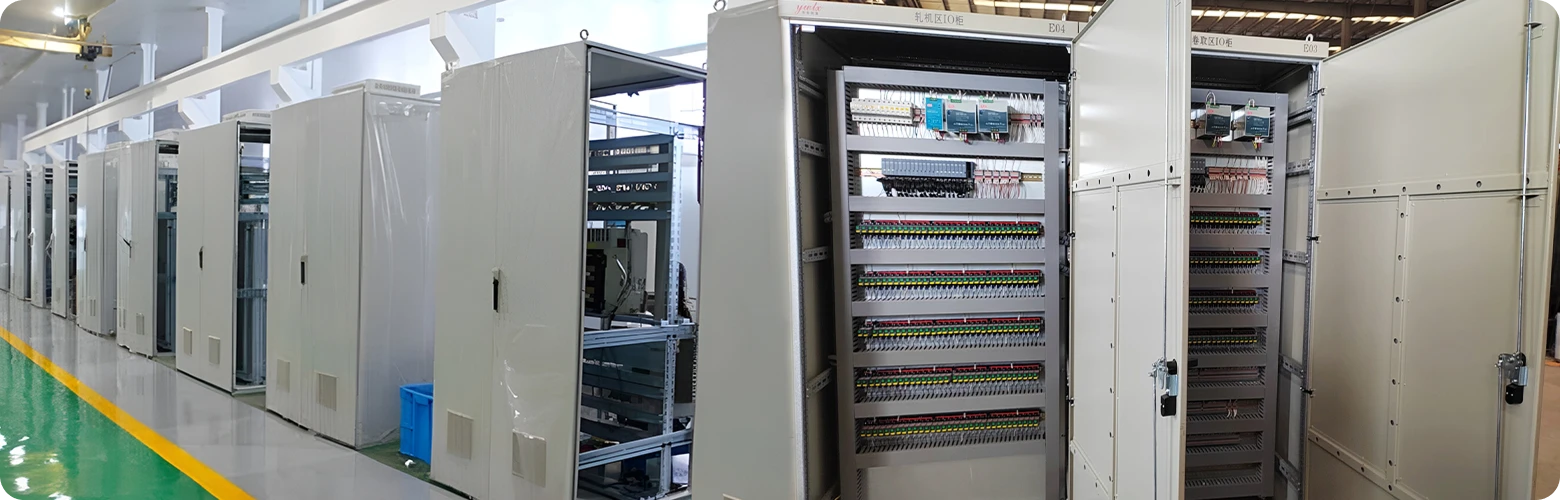
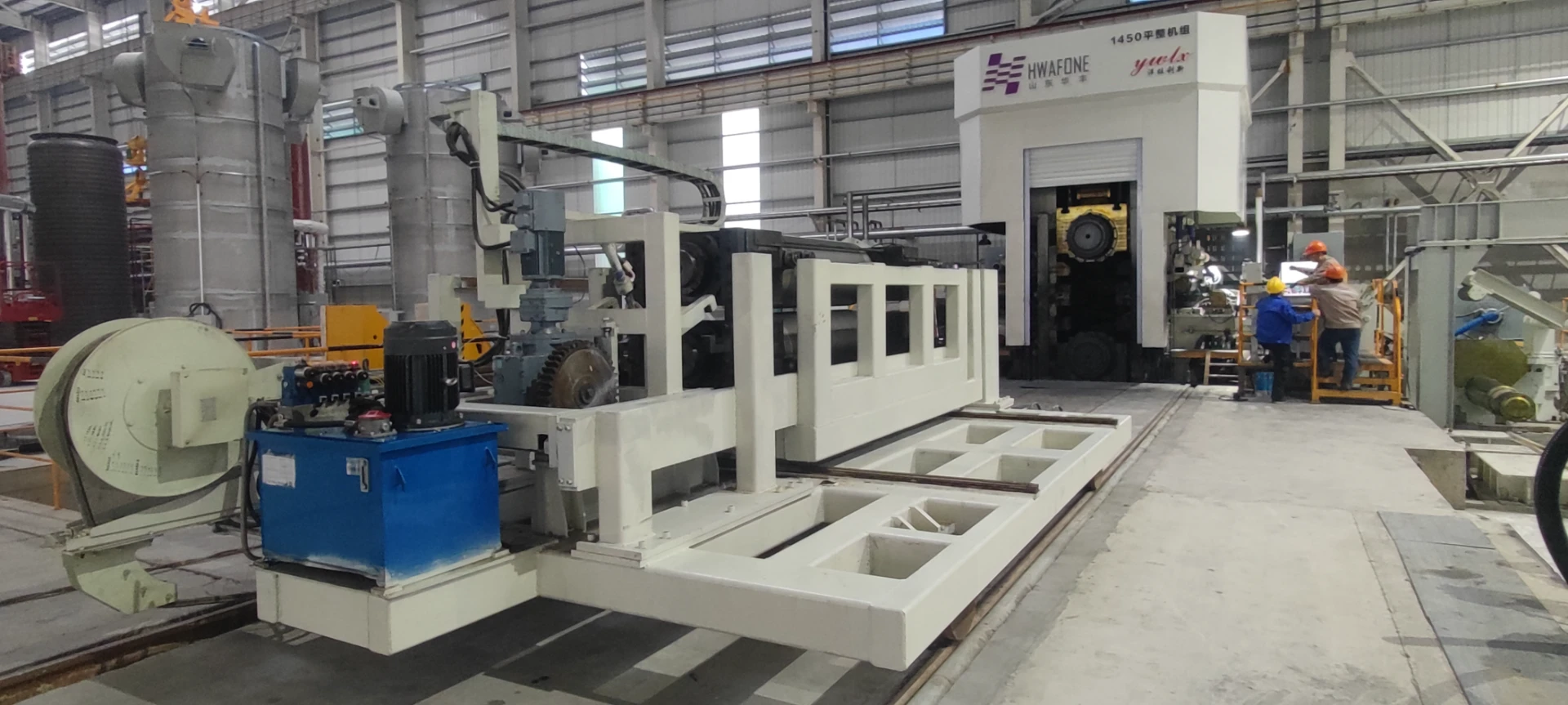

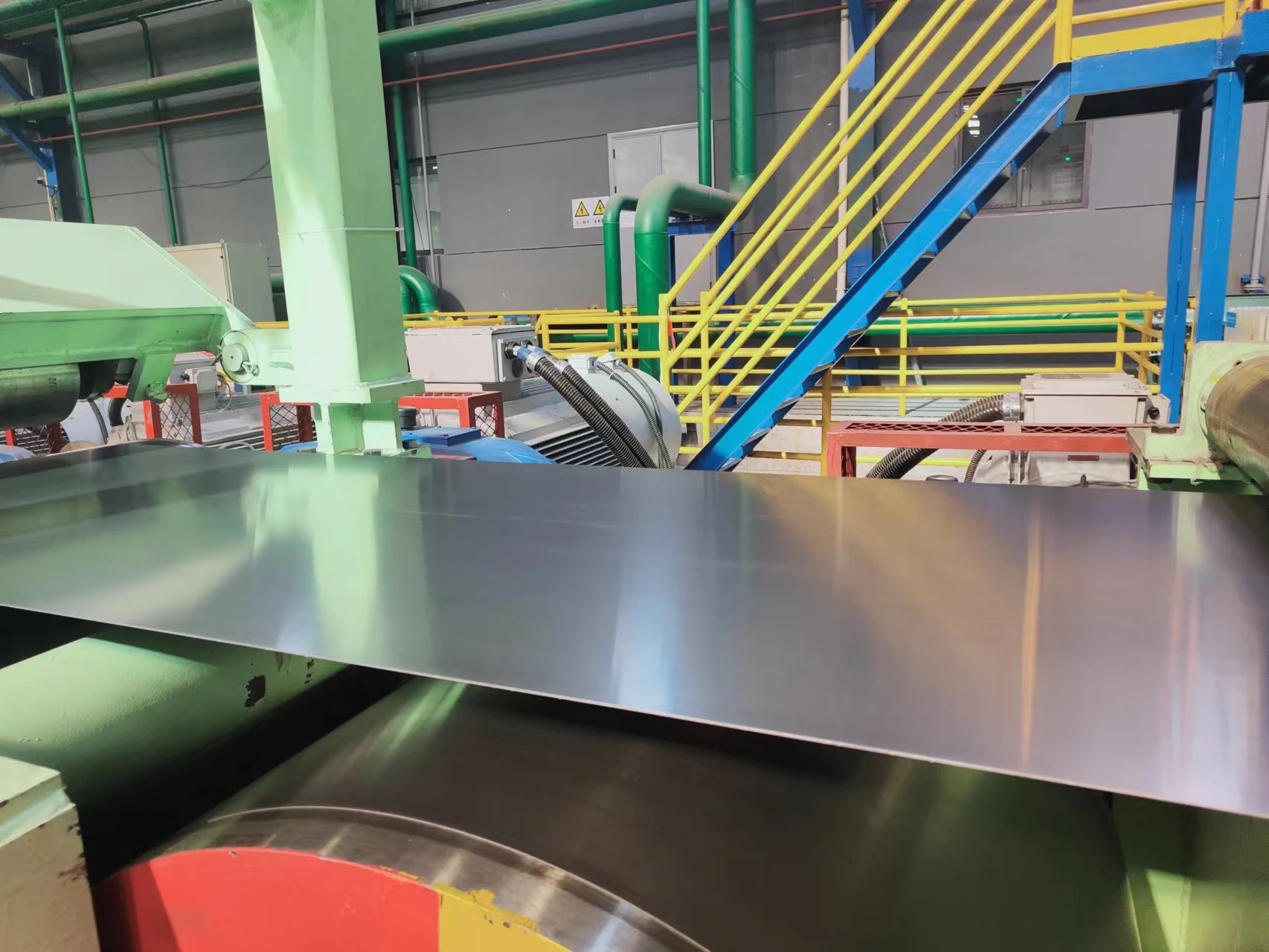
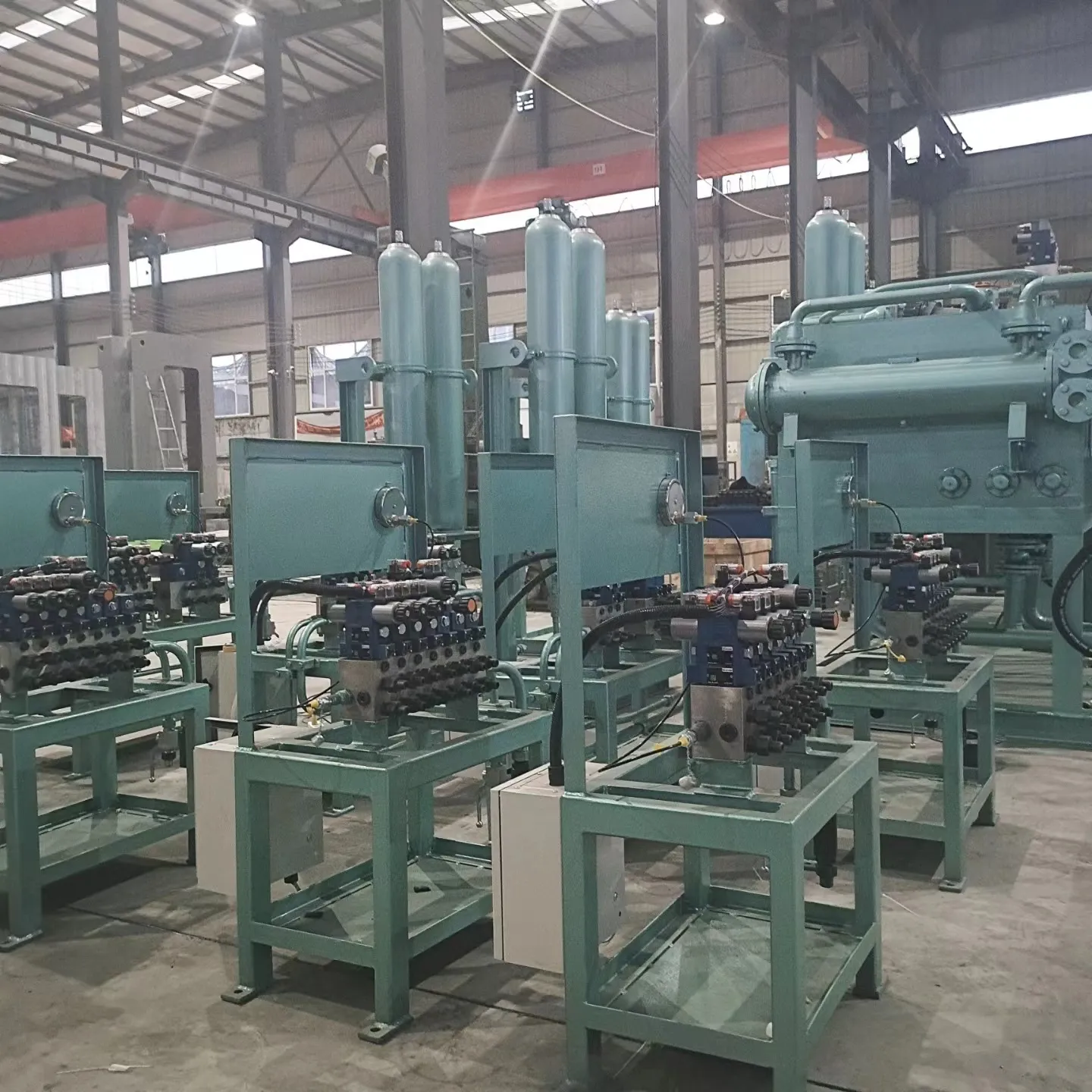
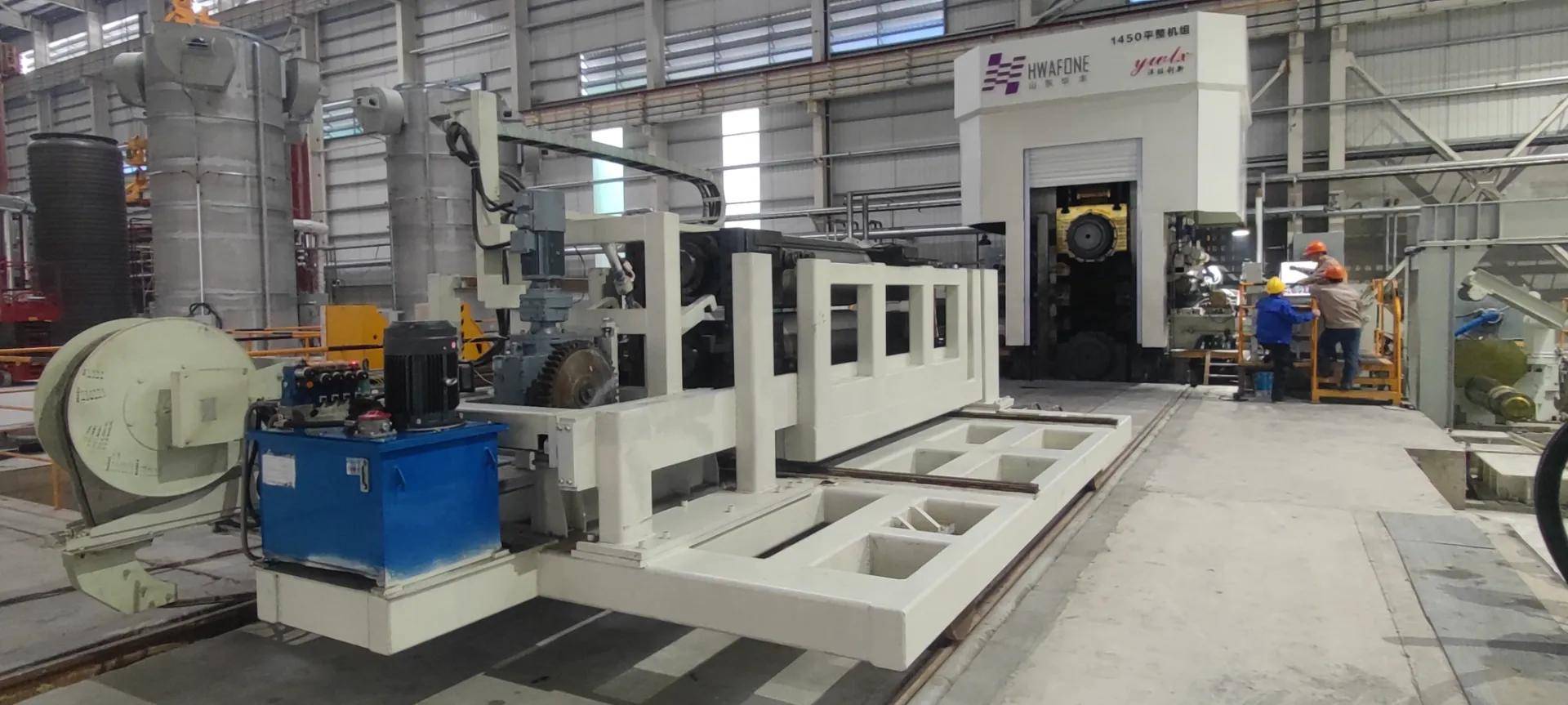
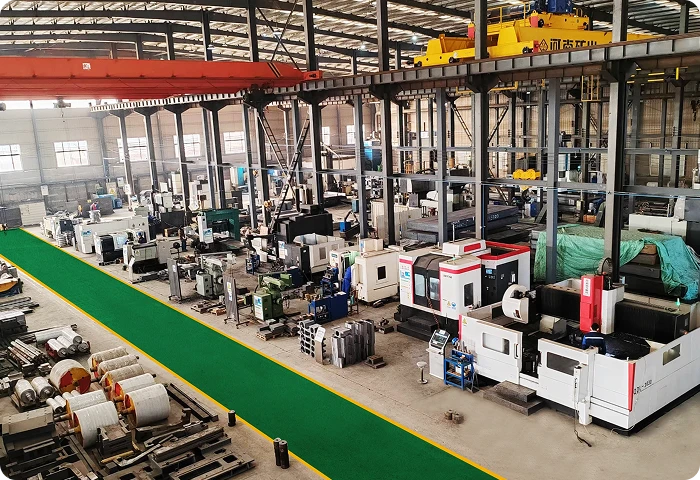
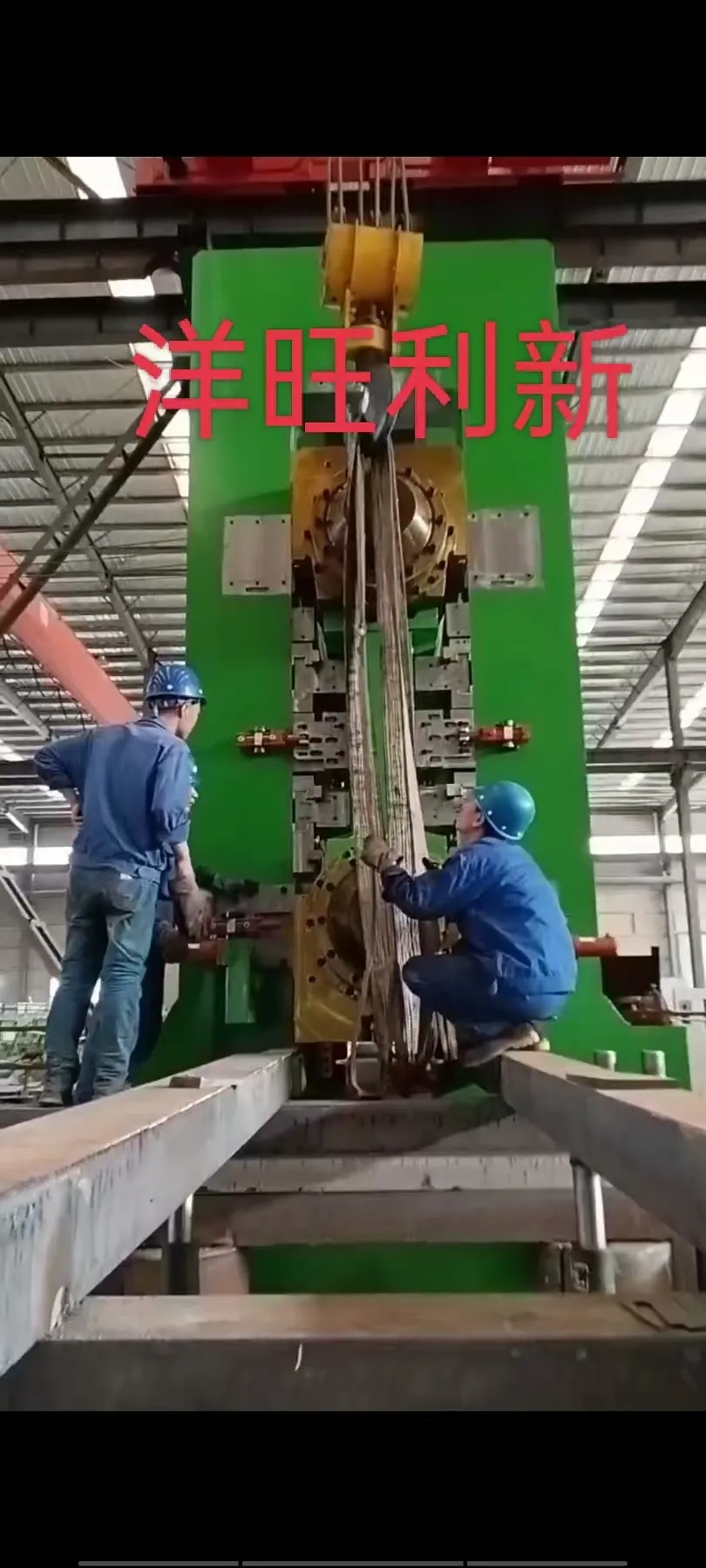
Yang Wang Li Xin operates a state-of-the-art facility over 66,000 square meters,and our manufacturing facility is fully equipped with high-tech machinery and high-capacity cranes. This enables us to handle large work pieces measuring 4.5m in width, 10m in length, and 1.5m in height, guaranteeing our capacity to produce 1800mm skin-pass mills and 1450mm rolling mills. The individual piece can weigh up to 100 tons.

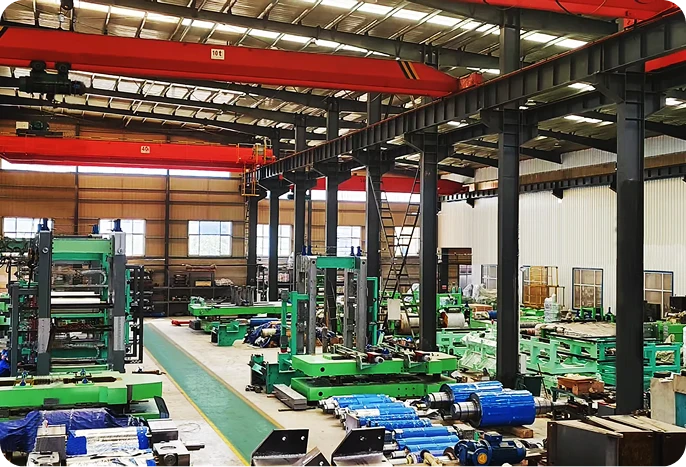

Quality is fundamental to the enterprise survival. We have established a comprehensive and meticulous quality management system and have successfully obtained ISO14000 certification. Starting from the design source, it supervises the entire production cycle, including design, procurement, processing, assembly, in-factory testing, installation, and online commissioning. The workshop is equipped with measuring tools like vernier calipers, spectrometers, hardness testers, and ultrasonic flaw detectors. They are used to check materials and control tolerances to ensure the final equipment meets or exceeds requirements. All products have a unique code, This enables the easy identification and traceability of the equipment components and ensures full control of quality.


-
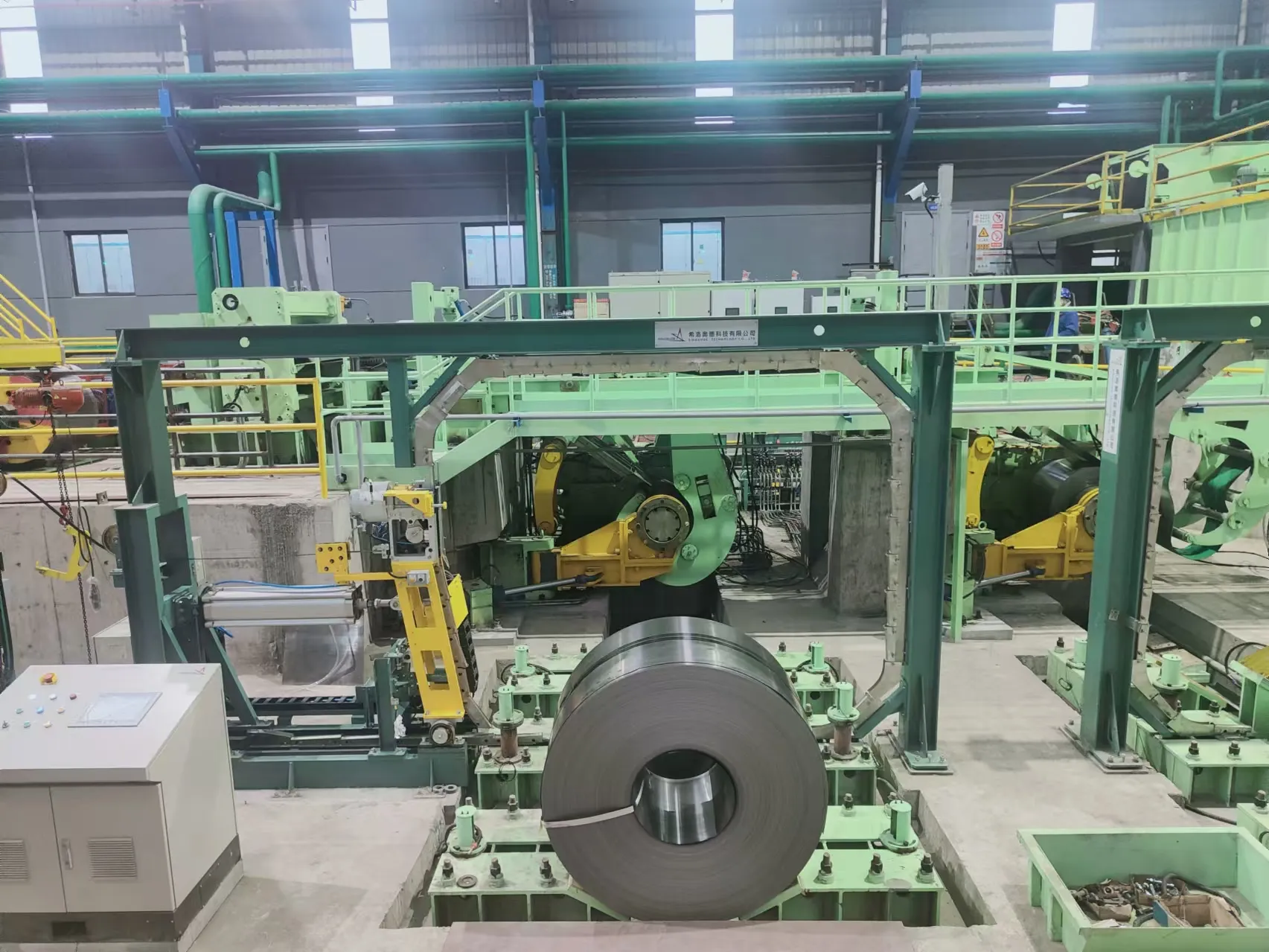 High-Precision Temper Rolling Mill for Superior Steel QualityCompany: Beijing Yang Wang Li Xin Sci&Tech Co.,Ltd. Official Website: https://www.bjywlx.com Contact Information: Tel: +86 10-63324628 | Mobile: +86 18630169310 Email: Alley.wang@bjywlx.com Address: No.1518, LAR Valley Int'l, Guangwai Avenue, Xicheng District, Beijing, 100055 Introduction: The Significance of Temper Rolling Mill in Steel Manufacturing In the dynamic landscape of steel production,
 -
 Optimization of Lubrication and Cooling Technology for Reversible Cold Rolling MillThe reversing cold rolling mill represents a critical component in modern metal processing, offering unparalleled flexibility for producing high-quality strip products across various materials and thickness ranges. Whether considering a 4hi reversible cold rolling mill or more advanced 6hi reversing cold rolling mill configurations, the effectiveness of lubrication and cooling systems directly det
 -
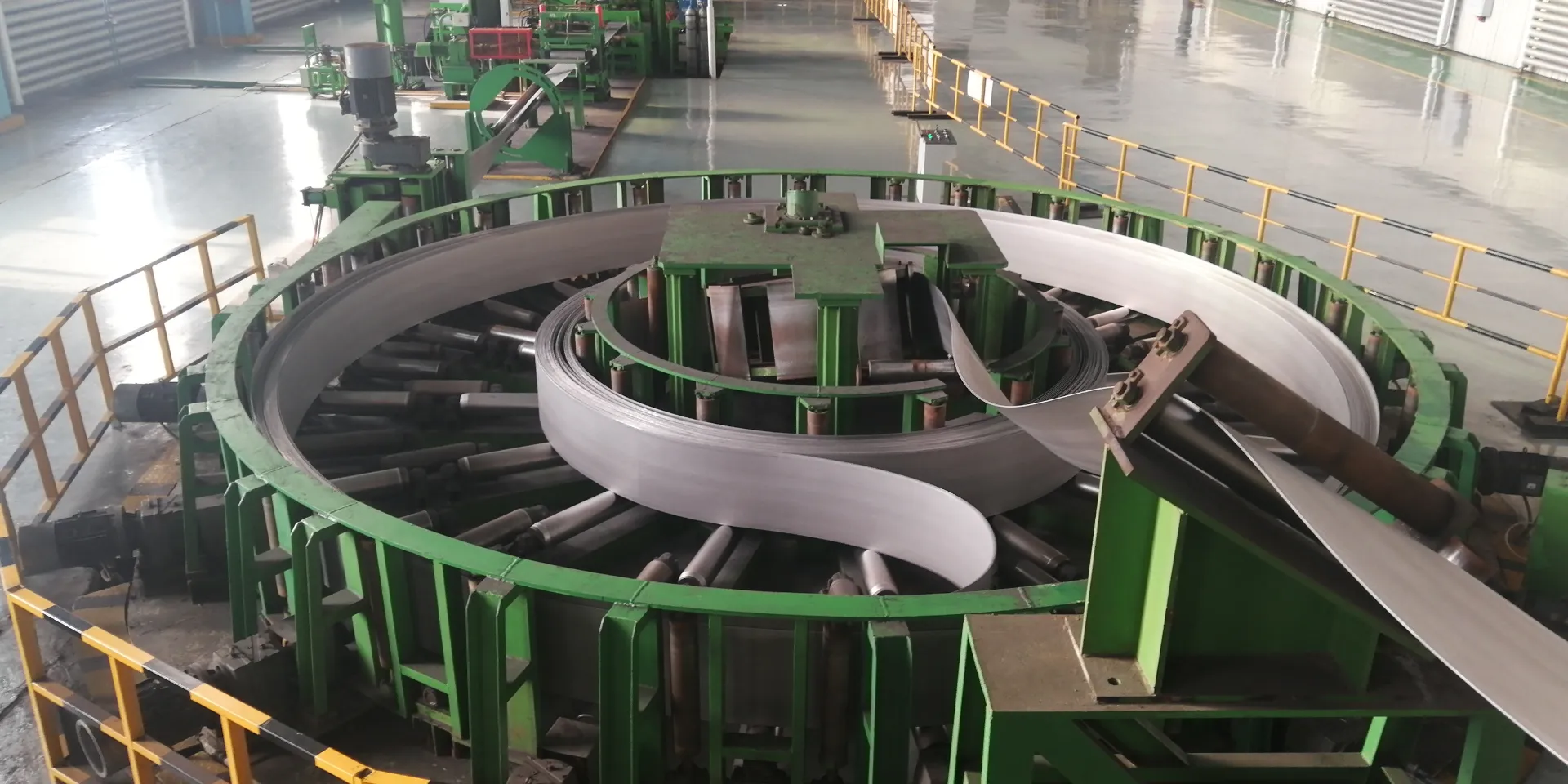 brass rolling machineBrass rolling machines, pivotal in the manufacturing industry, transform brass into a variety of products, essential for numerous applications. Envision a machine so meticulously engineered that it combines cutting-edge technology with traditional reliability — that's the kind of brass rolling machine professionals seek to optimize both quality and efficiency. Drawing from real-world experiences o


